
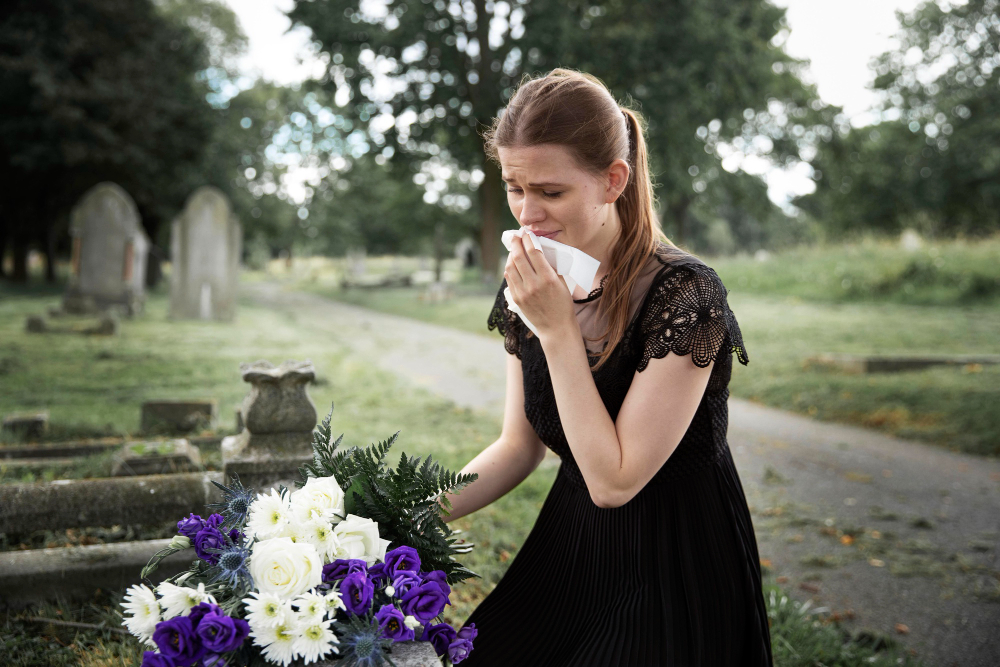
What is Grief?
Grief is a natural response to loss. Most often, people feel grief after losing someone close, like a family member or friend. However, grief can also follow other losses, such as a job, a pet, or a major life change. Everyone experiences grief in their own way. While some people feel sadness, others may feel anger or confusion. According to the World Health Organization (WHO), grief is a normal part of life. Yet, it can affect your mind, body, and daily life.
Common Symptoms of Grief
Grief symptoms can show up in many ways. Sometimes, these feelings can be strong and last for weeks or months. But, most people notice that symptoms slowly get better over time. Here are some common signs of grief:
Sometimes, grief can also cause anxiety or worry. But, these feelings are normal and usually fade with time.
Causes and Types of Grief
Grief can happen after any major loss. For example, the death of a loved one is a common cause. But, losing a job, ending a relationship, or moving away can also trigger grief. There are different types of grief, and each person may experience them differently. Some common types include:
Because grief is unique, people may move through these types at different times.
How Grief is Diagnosed
Doctors and mental health professionals use questions and checklists to diagnose grief. Usually, there is no special test for grief. Instead, they ask about your feelings, thoughts, and daily life. For example, they may ask how long you have felt sad or if grief is making it hard to work or care for yourself. Sometimes, they use tools like the DSM-5, a guide for mental health conditions. However, most people do not need a formal diagnosis unless grief is severe or lasts a long time.
Coping Strategies and Support
There are many ways to cope with grief. While everyone is different, some strategies can help most people. Here are some helpful tips:
Additionally, many communities offer grief support resources. You can find these through hospitals, local clinics, or mental health organizations. The CDC and WHO both recommend reaching out for help if grief feels overwhelming.
Prevention and When to Seek Help
While you cannot prevent grief, you can prepare for it. For instance, talking about loss before it happens may help. Building strong relationships and healthy habits can also make coping easier. However, sometimes grief becomes too much to handle alone. You should seek help if you notice:
Remember, asking for help is a sign of strength. Mental health professionals can offer support and tools to help you heal.
If you or someone you know is struggling with grief, consult a mental health professional for personalized support with grief.