
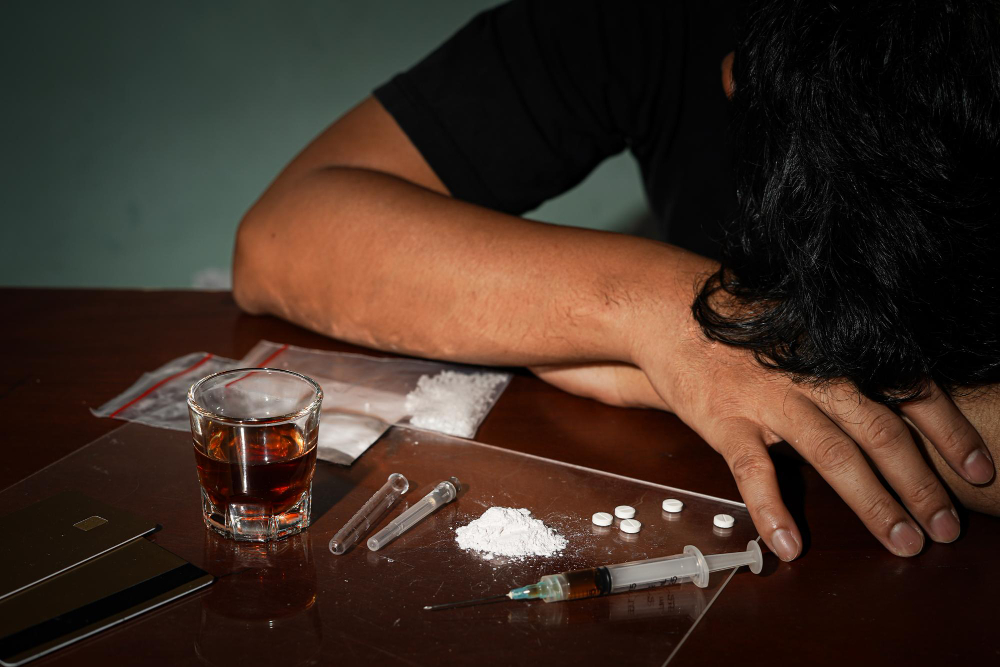
Opioid deaddiction is the process of helping people stop using opioids safely. It involves overcoming opioid addiction, managing withdrawal, and starting the opioid recovery process. Treatment for opioid dependence is important for both individuals and communities. Without help, opioid addiction can harm health, relationships, and daily life. However, with the right support, recovery is possible for everyone.
What Is Opioid Deaddiction?
Opioid deaddiction means stopping the use of opioids and learning to live without them. Opioids are strong pain medicines, like morphine, codeine, or heroin. Sometimes, doctors prescribe them for pain. But, over time, some people become dependent on them. This means they feel they need opioids to feel normal. Addiction can happen when the brain and body get used to these drugs. As a result, stopping opioids suddenly can cause withdrawal symptoms. That is why safe opioid detox and support are important.
Symptoms of Opioid Addiction
Recognizing opioid addiction early can help start treatment sooner. Common signs and symptoms include:
Causes and Risk Factors
Many factors can lead to opioid addiction. For example, some people have a family history of addiction. This means genetics can play a role. Others may start using opioids after an injury or surgery. Sometimes, doctors prescribe opioids for pain, but long-term use can increase the risk of dependence. In addition, stress, trauma, or mental health issues can make addiction more likely. Easy access to opioids in the community can also be a risk factor.
Diagnosis and Assessment
Healthcare professionals use several steps to diagnose opioid addiction. First, they ask questions about opioid use and health history. Next, they may use screening tools, such as questionnaires. These tools help find out how severe the addiction is. Sometimes, doctors also do physical exams or lab tests. Early diagnosis can help people get the right treatment quickly. According to the CDC, honest answers during assessment are important for safe care.
Treatment Options for Opioid Deaddiction
There are many ways to treat opioid addiction. Often, a mix of medical and psychological treatments works best. Here are some common options:
Opioid deaddiction centers provide these services in many cities and countries.
Lifestyle Changes and Support
Making healthy changes can support recovery. For example, building a daily routine helps people stay focused. Eating well and getting enough sleep are important for healing. In addition, staying active and finding new hobbies can boost mood. Family and friends play a big role in recovery. Their support can make a big difference. Joining local support groups or community programs can also help. Many people find strength in sharing their journey with others.
Prevention and Relapse Management
Preventing relapse is a key part of the opioid recovery process. Here are some helpful strategies:
According to the World Health Organization, ongoing support lowers the risk of relapse. If you need help, many cities offer opioid deaddiction support and resources.
If you or someone you know is struggling with opioid addiction, consult a healthcare specialist for personalized guidance and support.